Translate

Tuesday, September 22, 2020

Hāwera Brunch Fly-in

Equinox westerly weather systems interspersed with short sharp cold fronts typically dominate New Zealand’s weather in the spring. Fortunately for aviators benign conditions sometimes loiter awhile in the aftermath of a brisk southerly bluster and one such Sunday morning dawned for the Hawera Aero Club brunch fly-in.


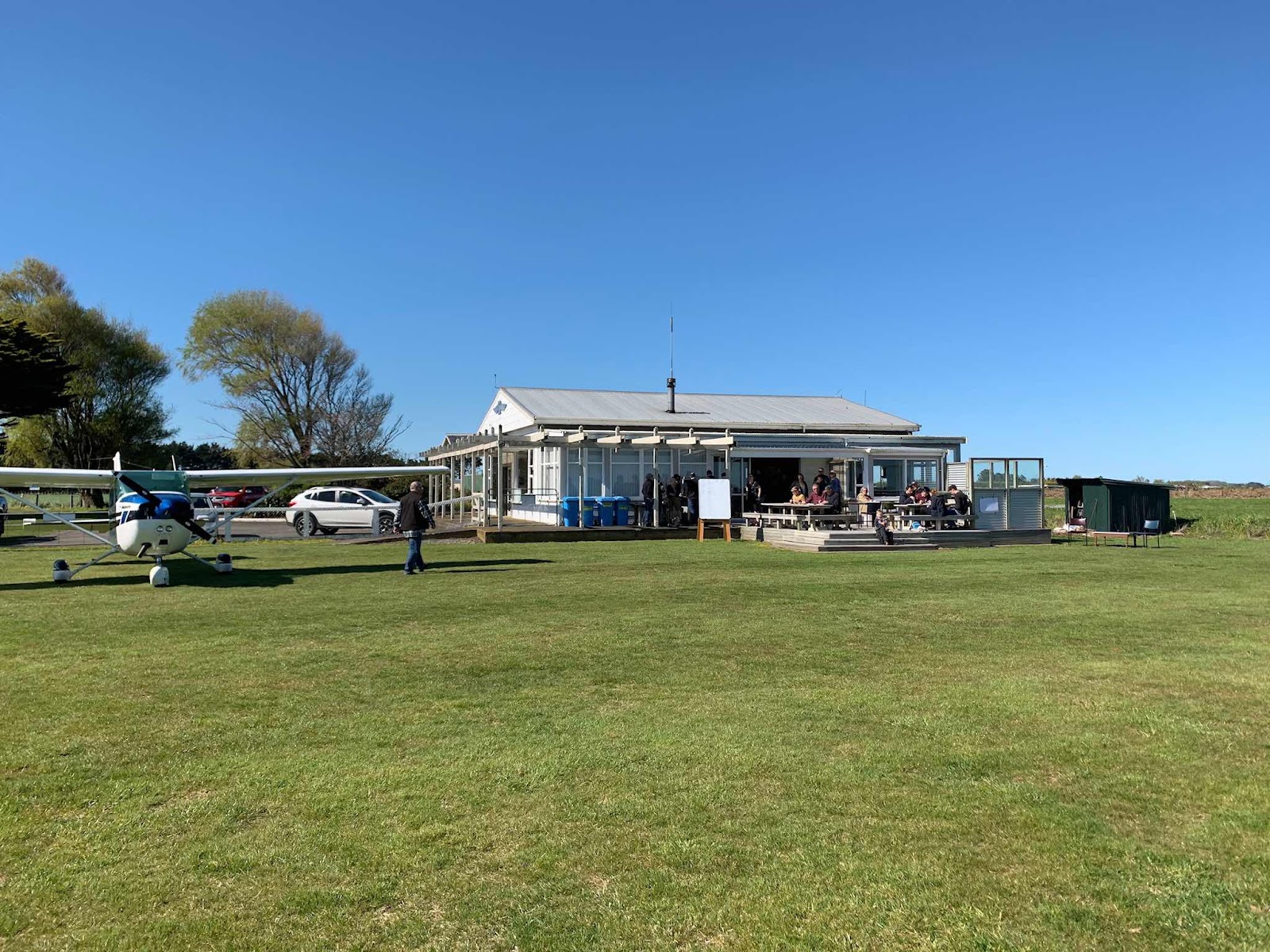
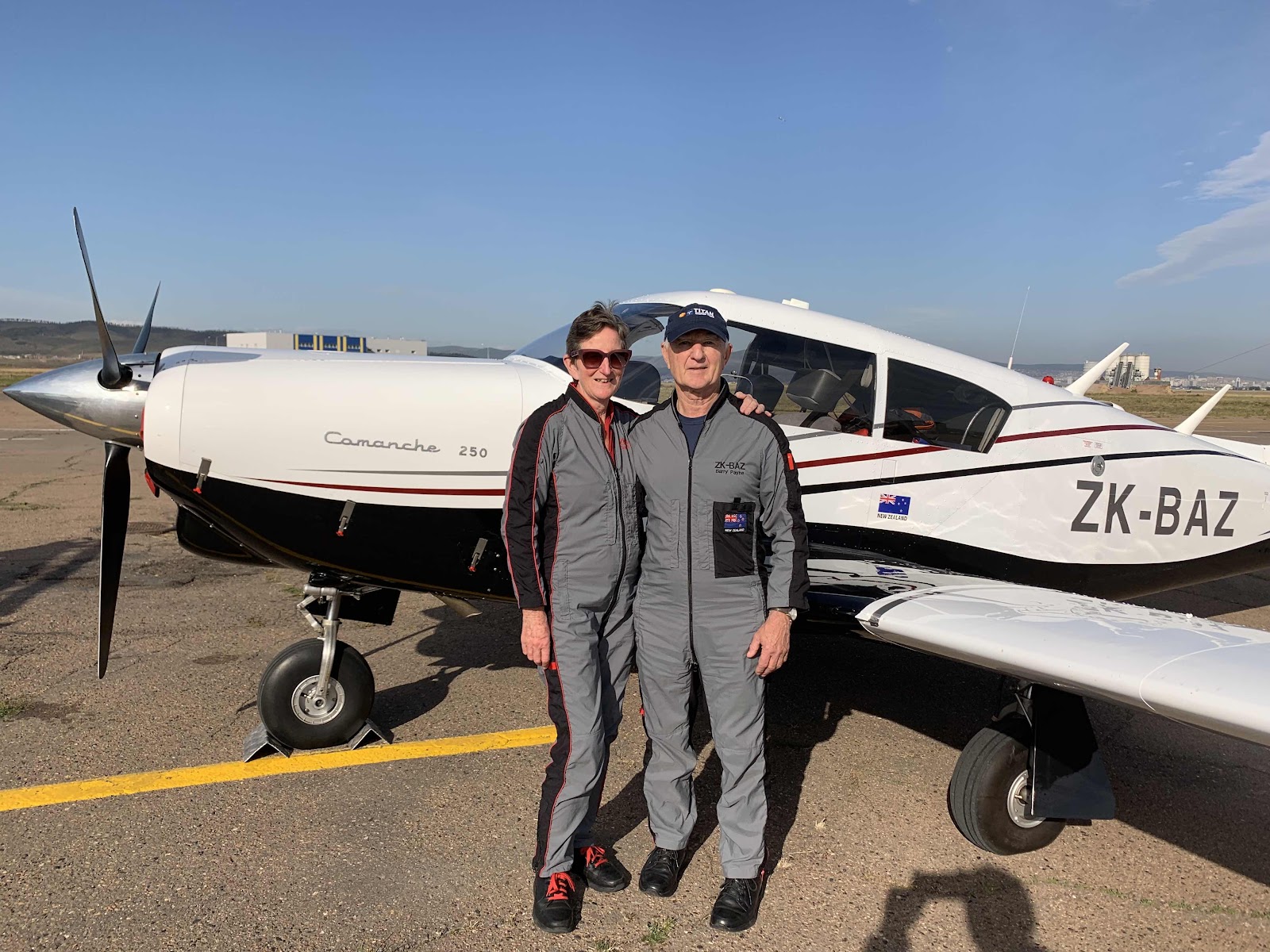
The township of Hawera sits at the feet of majestic Mount Egmont/Taranaki. It is the hub of a thriving rural community and the world’s largest dairy processing plant. On the town’s northern outskirt lies a manicured aerodrome owned by the Aero Club. And so it was on a morning made for flying the Bazflyers launched their trusty Comanche ZK-BAZ on a first ever flight to Hawera.


Just 40 minutes later it was time to choose one the aerodrome’s three grass landing strips, lower the undercarriage and slot into a busy traffic pattern for landing. Judging by the number of aircraft already on the ground and more converging, Hawera’s brunch fly-in was an obviously popular event, and the rural proportioned breakfasts provided to all comers without charge did not disappoint.


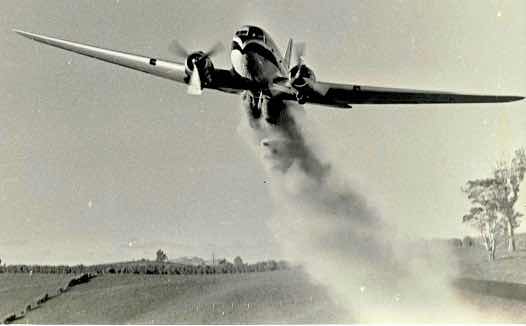
As well as an eclectic array of aircraft, fly-in events also tend to congregate a diverse group of aviators. From recreational pilots to professional pilots and enthusiast onlookers, general aviation is as much about people as it is equipment and this was epitomised at Hawera. People like retired agricultural pilot Neville Worsley quietly making sure coffees flowed freely throughout the breakfast routine. A modest aviator if ever there was one, Neville’s lifetime of agricultural flying (crop dusting) includes many many hours flying the venerable DC3 airplane modified for fertiliser application. Only in New Zealand, this war relic was flown at low altitudes up valleys, over ridges and between trees spreading essential nutrients on the land. An amazing bygone era indeed.


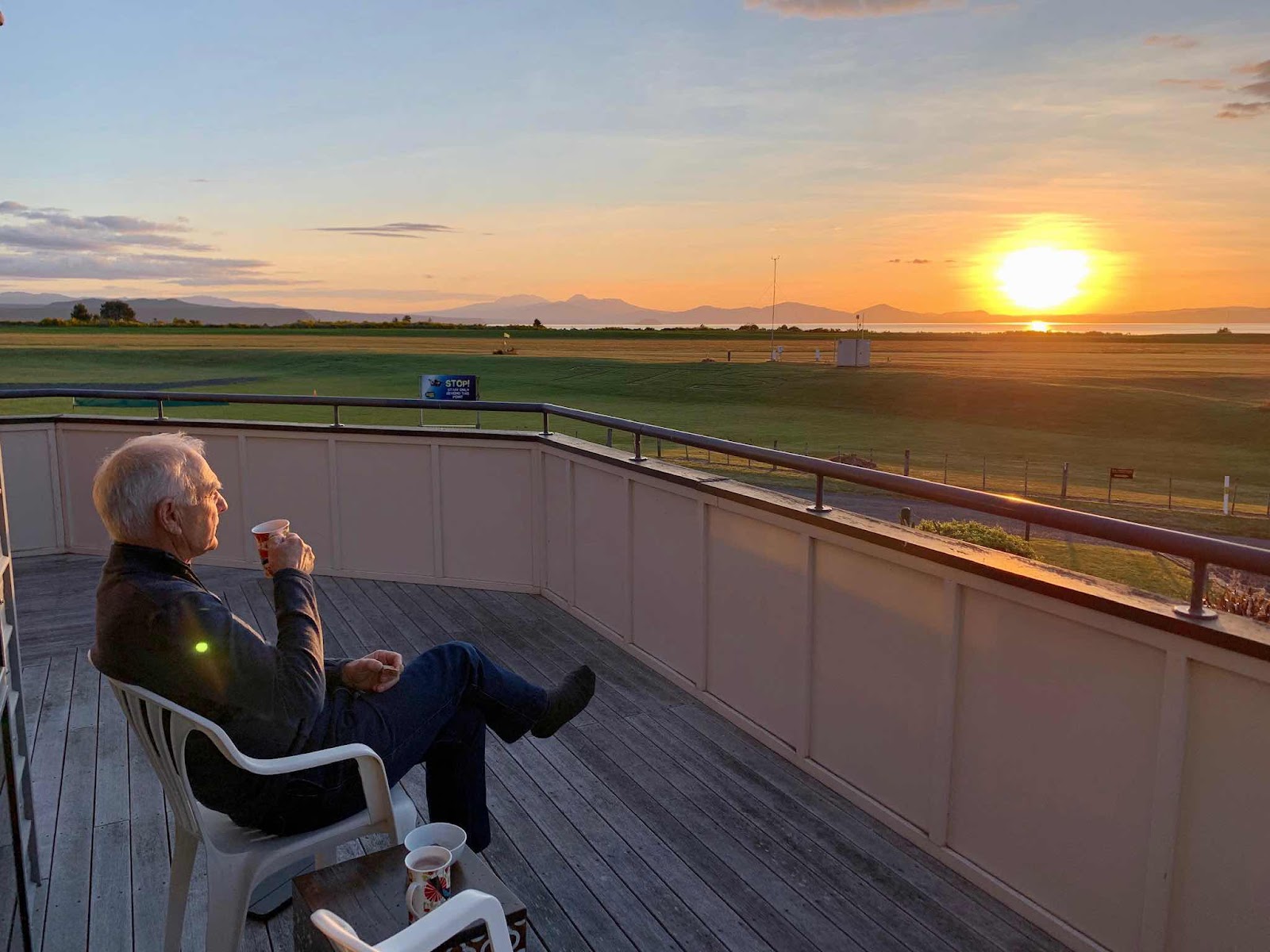
Unfortunately events inevitably conclude but as our Comanche waited its turn to takeoff on Hāwera grass vector 32 there was a satisfied feeling in the cockpit...this was another memorable Bazflyer day. As if the whole day had been an orchestrated performance, a gorgeous sunset viewed from our Taupo base that evening was an appropriate final curtain. It was also no surprise that the next wild westerly weather pattern lay only 48 hours away.


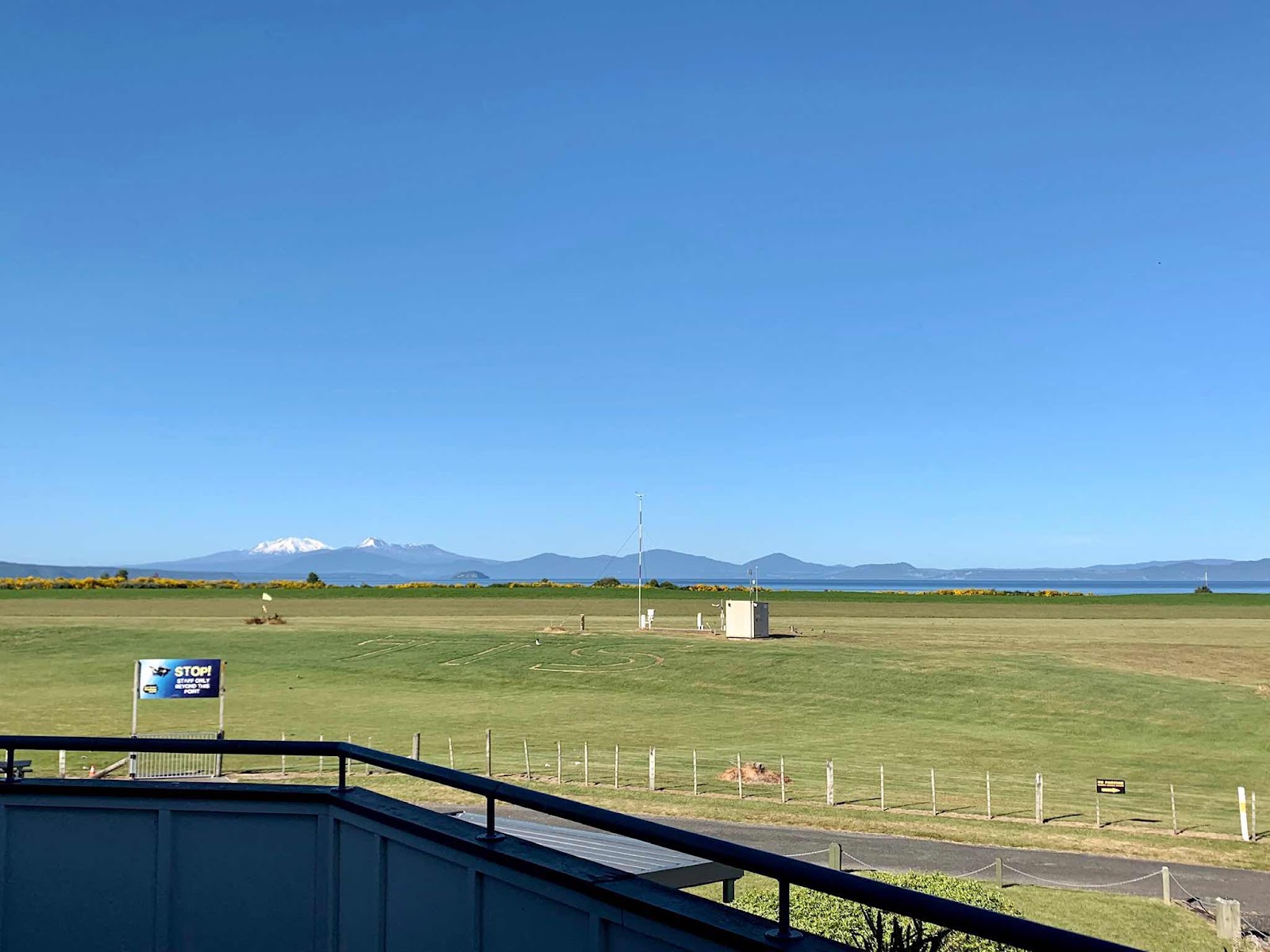
As the crow flys, Hāwera is just a 40 minute flight southwest from the Baz Base at Taupo Airport.


The conical volcanic profile of Mount Egmont/Taranaki dominates a lush farming landscape.


Comanche ZK-BAZ on Hawera aerodrome while the Bazflyers were enjoying a great breakfast.


Hāwera Aero Club since 1926


Some of the many aircraft flown in for the occasion.


Neville crop dusting with the venerable DC3 (File photo).


Sunset viewed from the Baz Base was an appropriate end to a great aviation day


Sunday, June 21, 2020

Solstice Spirit

Solstice means “sun standing still.” Twice every year between the 20th-22nd day of June and December, our planet experiences a solstice. Today here down south of the equator in New Zealand it is winter solstice, the shortest day of the year. Simultaneously it is summer solstice, the longest day of the year, in the northern hemisphere. 

The modern calendar is based off ancient solar calendars which accounts for many festivities being linked to astronomic events. For example, winter solstice traditionally marks the return of the sun following the darkest and coldest time of the year. No doubt in eager anticipation of warm and barmy days to come, winter solstice has been a particular point of celebration since ancient times.

Last year the Bazflyer’s tactically avoided a winter solstice. Instead, flying round the world bestowed us with two summer solstices. The first of these in the northern hemisphere was observed in June while attending Sentimental Journey at Lock Haven, Pensilvania. The second summer solstice was in December, back home in the southern hemisphere after completing our ‘Earthrounder’ circumnavigation. Solstice also marks an annually important Bazflyer celebration…a wedding anniversary!

Today’s solstice is uniquely significant. In the measure of time it is merely a blip since the December solstice. However, in that small solar interval the world as we have known it has been captured in the pincer grip of a pandemic. A pandemic that sadly has also spilled the flotsam of social unrest. 

Among ancient civilisations, winter solstice was the night that the Great Mother Goddess gave birth to the new sun. Perhaps as never before in modern history, today’s solstice is an appropriate time to metaphorically embrace the same spirit…to give birth to a new sun. A sunrise that symbolically announces the pandemic winter is not forever, that life continues, and our world can reawaken a better place….a solstice to celebrate.

Flying round the world reinforced Bazflyer’s stanch belief in the goodness and innovation of mankind, and as said in the Magic Carpet blog; “Our world would not be a place at all if it wasn’t for the people who in habit the folds of its land”. 

Winter solstice on Lake Taupo

Biking the solstice way

 
Cute dogs


Looking forward to tomorrow
 

Thursday, May 21, 2020

The Broken Key

Ah, the glory of the handbag — an item that appears in a plethora of unimaginable styles while sporting the livery of every imaginable brand. Even bands as diverse as those much more synonymous with an automobile or footwear.  


The handbag emerged as a fashion accessory after the First World War. It was said to signify the increasing emancipation of women, for whom carrying a bag became a sign of independence and stature. Women had their own cash and bank accounts, and keys to their own property and cars. And from that time onwards young males were raised to never, never enquire as to what might populate the dark depths of a woman’s handbag. 


It has to be said flying our Comanche on Fifty Flights Round the World was preceded by a significant amount of prior preparation and planning. As far as possible every conceivable risk or issue was identified and where applicable appropriate mitigation considered. 


One not so insignificant risk was loosing a key, especially the all important aircraft ignition key. Mitigation for this possibility was smugly satisfied by attaching spare cabin door and ignition keys to an accessible location on the aircraft exterior. Then as backup to the backup, a second spare ignition key was carried in the cabin. What could possibly go wrong? 


The one thing we never thought about of course. Here we were on Ulan-Ude airport, not far from Lake Baikal deep in Russian Siberia, fastened inside our Comanche, airways clearance acknowledged and ready to start. The familiar action of turning the ignition key to engage the engine starter was immediately followed by a litany of inappropriate expletives....the key had broken! 


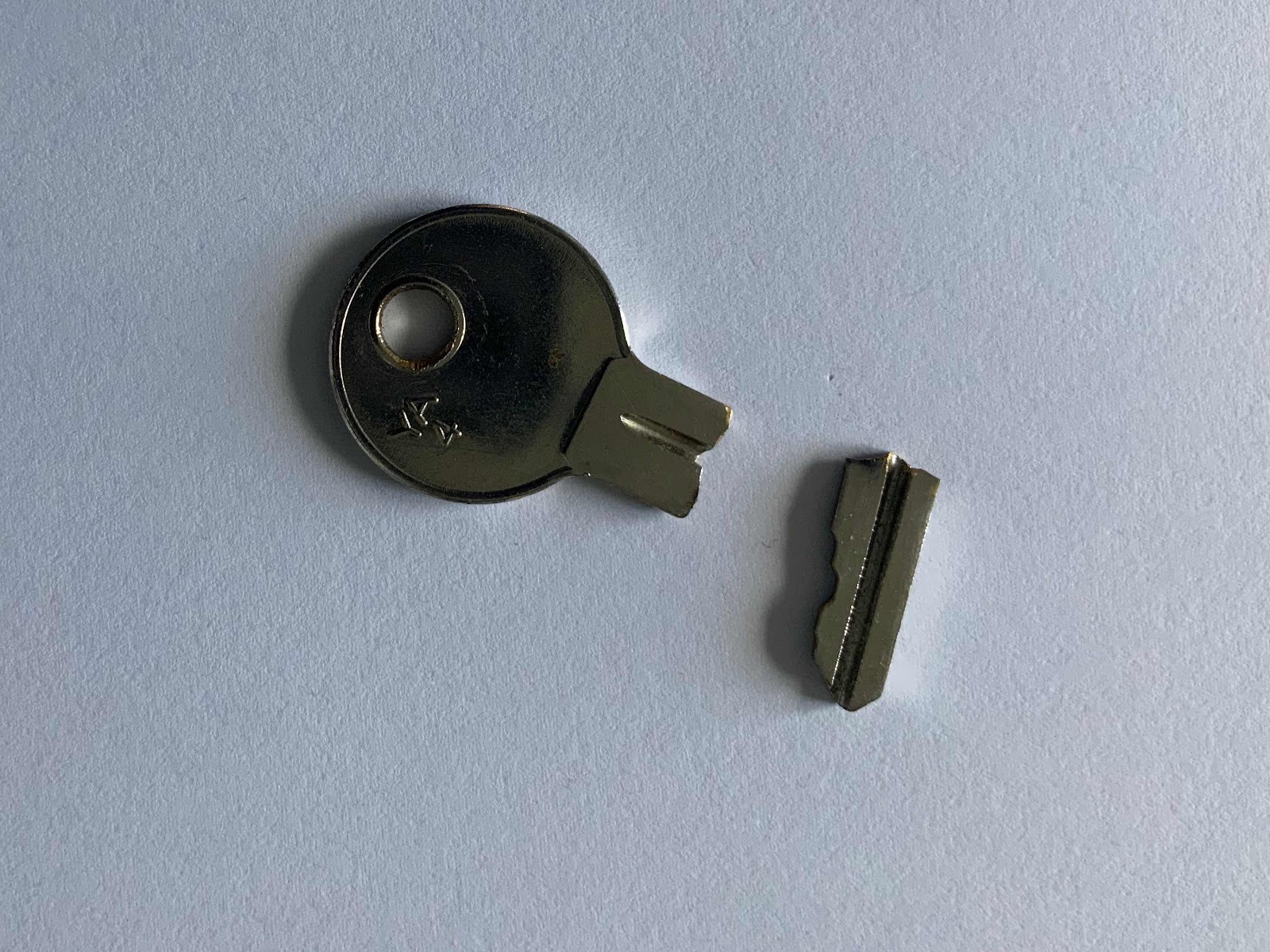
One piece of the key came away in Bazflyer1’s hand, the other remained firmly wedged in the ignition. In no time at all the spare key from inside the cabin had been retrieved....but expletives continued to flow....the broken piece of key steadfastly refused to come out of the ignition switch. 


“Did you experience any dramas while flying round the world” has been a relatively common question and there is no doubt the broken key incident might have qualified. Indeed it conceivably would have if it wasn’t for a woman’s handbag...Bazflyer2’s handbag. From deep within appeared a pair of tweezers that ever so aptly gripped the broken piece of key lodged inside the ignition switch. Out it came....in went the spare key....and, in a twist the big Lycoming engine was alive.  


The moral of this story is never ever judge a woman’s handbag by its brand or style, it’s always about the contents!


The broken ignition key


On Ulan-Ude airport


On the road to Lake Baikal


On the streets of Ulan-Ude


Local people and produce


Sunday, May 17, 2020

Heroes

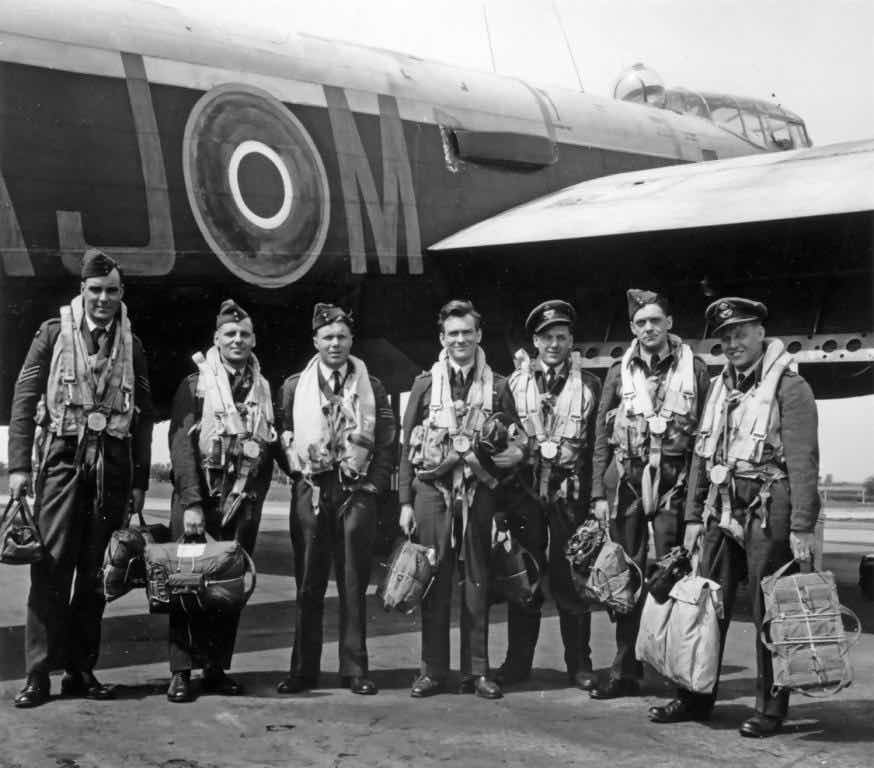
Many inspirational heroes were born out of World War II. High among them stands the immortalised daring of the young men of Royal Air Force 617 Squadron, also referred to as the Dambusters Squadron.


Today as we shelter under the cover of a Covid-19 lockdown, we might remember that on the night of 16-17 May 1943, exactly seventy seven years ago, 617 Squadron carried out Operation Chastise, more popularly known as the Dambusters Raid, an audacious bombing mission attacking dams serving the Ruhr valley.


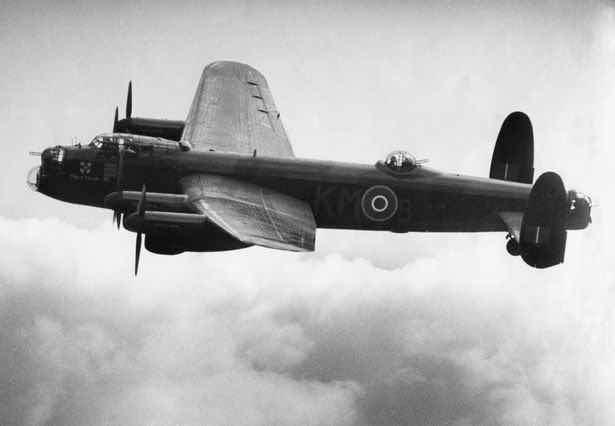
Thirteen Australian and twelve New Zealand airmen were scattered among the 133 crew aboard the nineteen Avro Lancaster aircraft that took off that night. 


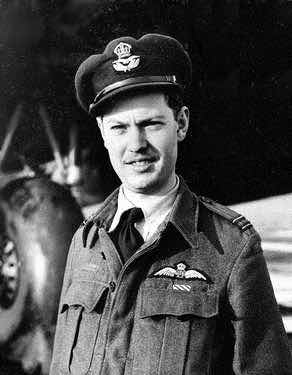
One of the airmen was South Australian born Dave Shannon DFC and Bar. At just 19 years of age Shannon joined the RAAF in 1941 before attaining his pilot wings the following year under the Empire Flight Training Scheme at Brandon, Manitoba in Canada. The Bazflyers paid homage to the many Kiwi and Australian aircrew who were trained under the scheme when they visited Brandon in the course of their 2019 round the world flight. 


Already the veteran of thirty six sorties over occupied Germany, Shannon was only 21 years of age when with 617 Squadron he was flying a Lancaster at low level in the dark of night deep into hostile Germany. His aircraft payload was identical to each of the other Lancaster's, a single Barnes Wallis dam-busting bomb. 


Flying at extremely low altitudes the operation required intense concentration from all involved, particularly by the human navigators, to steer clear of the principal threats to life: flak on the ground and power lines. Even a ‘split-second loss of concentration’ could be deadly. One of the Lancaster's hit power lines in Holland, killing all seven of the crew instantly.


Squadron Leader Dave Shannon was discharged from the Air Force at the end of 1945 and like so many brave young wartime airmen, he never flew an airplane again. Though "outwardly nerveless", according to military historian Patrick Bishop, Shannon was not immune to dread feelings. As they prepared to depart on one of their night missions, the famous Wing Commander Cheshire commented on the beautiful sunset, to which Shannon replied, "I don't give a fuck about that, I want to see the sunrise".


Then there was New Zealand Air Force Pilot, Squadron Leader Les Munro CNZM, DSO, QSO, DFC. Similarly youthful and a close friend of Shannon’s, Munro who died in 2015 was the last surviving pilot from the Dambusters Raid. Like Shannon he never flew an airplane again after being discharged from the Air Force in 1946.


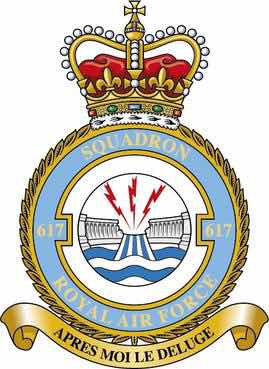
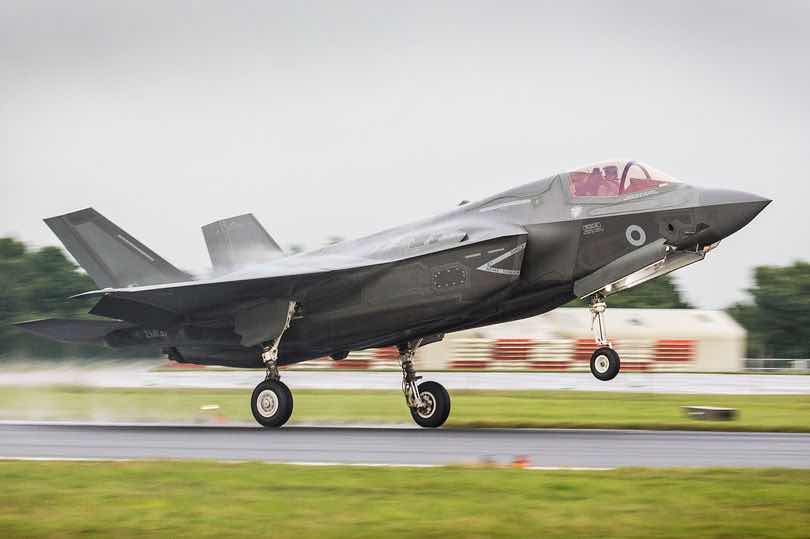
Fast forward seventy-seven years....Royal Air Force 617 Squadron still lives on. Based nowadays at RAF Marham in England’s Norfolk countryside, the Squadron operates Lockheed Martin F35’s. Whilst it’s aircraft inventory has changed several times since World War II, the squadron’s badge has not. It proudly depicts the original Dambusters mission as an enduring tribute to those brave youthful heroes and an inspiration for those who follow.


Heroes


Dave Shannon


Lancaster flown by RAF 617 Squadron


RAF 617 Squadron badge


Lockheed Martin F-35 current RAF 617 Squadron inventory


Sunday, December 15, 2019

Time Before

A random Bazflyer moment spawned this blog. Driving along the road mid week, audio volume turned up, a favourite song pulsing the air. And then it happened, the moment that is, or perhaps in the context of this blog it could appropriately be termed “think think time before”, a lovely Melanesian Pigin phrase for memory. 


When first released the song cascading out of the car’s audio speakers was a memorable track on a desirable album of that time. The flash back moment was recalling the art-full activity of wrapping a cassette version of the album as a present to be opened on Christmas morning. The memory of that moment is so clear as are the descending words that adorned the cassette graphic; “Pink Floyd The Wall”. The album was released forty years ago in time for Christmas 1979. 


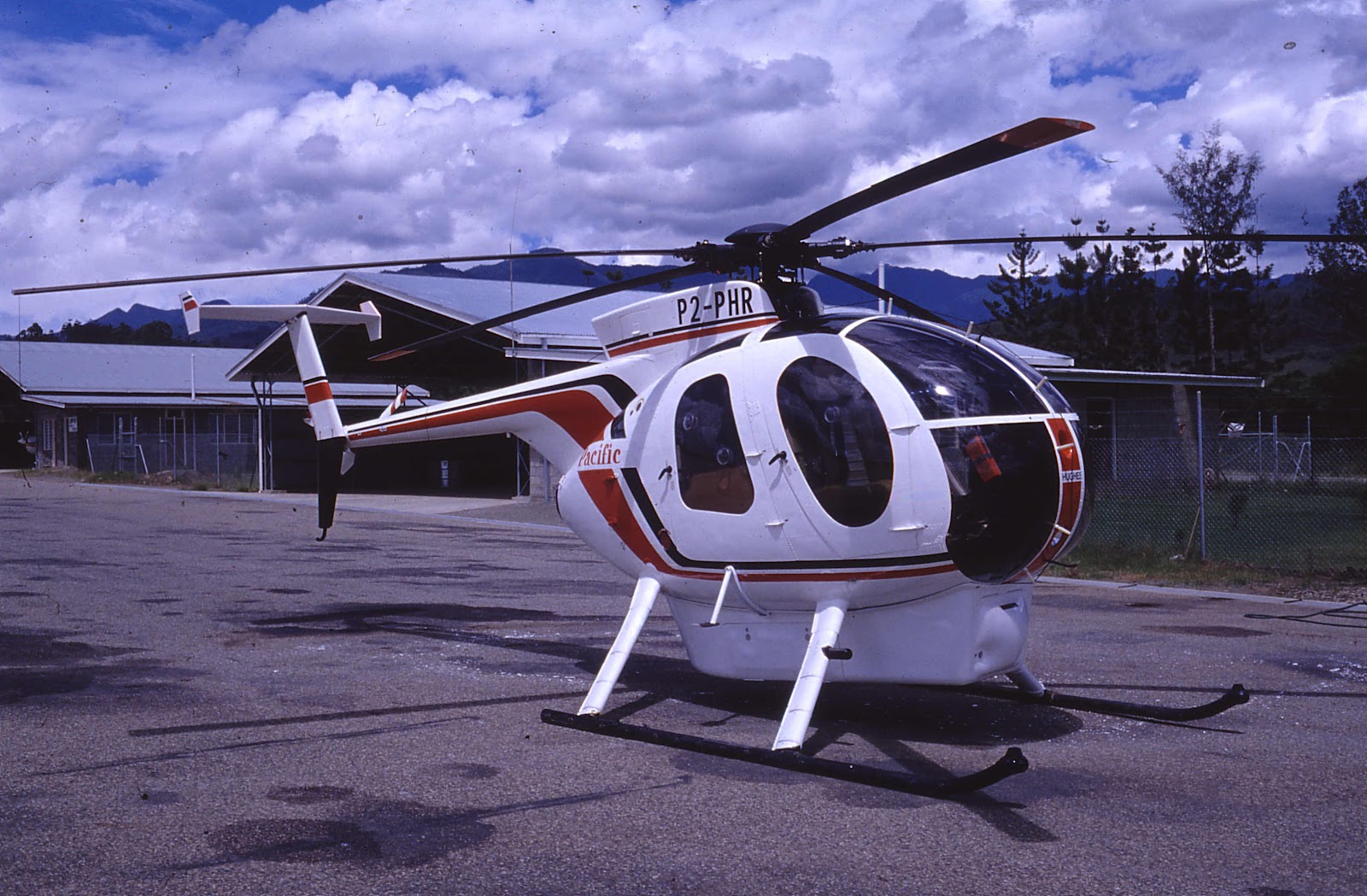
However, there is more than the great Pink Floyd rock band to anchor 1979 in the Bazflyer’s memory archive. At the time they lived in Goroka, a small town in the Eastern Highlands of Papua New Guinea. Bazflyer1 was Chief Pilot for a fast growing helicopter company. Bazflyer2 taught at the local International School. The world was aviation centric and life was good. 


Unfortunately forty years ago is also tagged for tragic reasons, especially for aviators of the time. It will be forever associated with two of the worst aircraft accidents of all time.


One of the accidents occurred on May 25, 1979, when a McDonnell Douglas DC-10 operated by American Airlines as Flight 191 from O’Hare, Chicago, Illinois, to Los Angeles, California, crashed into the ground as it was taking off from runway 32R. All 258 passengers and 13 crew on board were killed, along with two people on the ground. With 273 fatalities, it is the deadliest aviation accident to have occurred in the United States. The uncontrollable crash resulted when the left hand engine separated from the aircraft.


The second of these accidents tragically occurred on November 28, 1979. All 257 occupants on an Air New Zealand sightseeing flight TE901 were killed when the McDonnell Douglas DC-10 aircraft flew into Mount Erebus, Ross Island, Antarctica. This accident since referred to as the Erebus Disaster, is New Zealand's deadliest peacetime disaster, as well as the deadliest accident in the history of Air New Zealand.


Bazflyers succinctly remember the Erebus Disaster. They flew the morning after on a scheduled Air New Zealand flight in a McDonnell Douglas DC-10 with their two children travelling from Brisbane, Australia to Auckland, New Zealand. The totality of the tragedy was yet to become fully apparent, nevertheless, the mood on the flight that morning was eerily sombre in a most unforgettable manner.   


Forever a maligned airplane the final passenger flight with a McDonnell Douglas DC-10 occurred just two years ago. The honour went to Bangladesh Biman Airlines, operator of the world's last passenger DC-10 that made its final scheduled flight on December 7, 2017. But while the iconic, wide-body, three-engine workhorse of late-20th-century air travel is no longer hauling passengers it hasn’t yet completely disappeared from the skies...it is still in use by cargo carriers.


Oh...you wish to know what the track from that album was..? It was “Mother”. Turn up the audio volume, stand back, enjoy a great song from one of the best rock bands ever! Then ‘think think time before’....what were you were doing forty years ago?


The album cover design was renowned for its simplicity.


Papua New Guinea is an independent nation located to the north of Australia previously featured in the blog.


One of the Hughes 500D helicopters flown by Bazflyer1 in Papua New Guinea. Pictured in 1979 at Goraka (AYGA) airport in the Eastern Highlands Province.


McDonnell Douglas DC-10 depicted in Continental Airlines livery as operated on the airline’s Trans-Pacific services and used on several occasions by Bazflyers.


Monday, December 2, 2019

Flight Pioneers

There is no doubt that aviation has come a long way since two brothers Orville and Wilbur Wright demonstrated man’s ability to construct a machine capable of powered, sustained, and controlled flight in the air. The historic event occurred on December 17, 1903, just 116 years ago. From that pioneering beginning the airplane’s development took off. Until that moment in time the dream of flying like a bird in the sky had eluded mankind, probably since time immortal. The Greek legend of Daedalus and Icarus is one of the earliest known; others originated from India, China and the European Middle Age. During this early period the issues of lift, stability and control were not understood, and most attempts ended in serious injury or death.


Ten years after that Wright Brother’s flight, the airplane was used for the first time as a weapon of war. The strategic advantage of airplanes was instantly apparent and this translated into an accelerated period of development. By the time World War One ended in November 1918, the once rudimentary flying machine had become a relatively reliable and indispensable reality. 


Looking back in time it was hardly surprising that in the aftermath of a horrific World War people were hungry for good news stories and hero celebrities, and the airplane did not disappoint. The year 1919 was a vintage year for the airplane and this year is the centenary. 


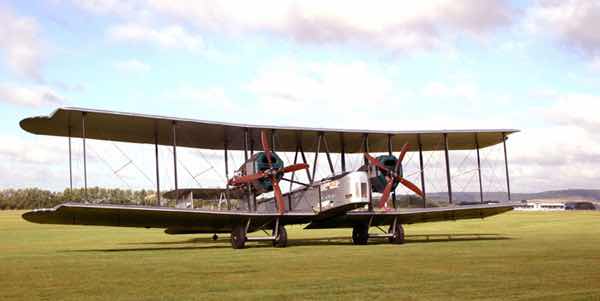
Only a few months ago, at the end of July, the Bazflyers were piloting their trusty Comanche airplane on the transatlantic sector of an round the world flight. The route took them via Greenland and Iceland. Along the way Bazflyers were eminently mindful that 100 years earlier, in June 1919, British aviators John Alcock and Arthur Brown made the very first non stop transatlantic flight. They flew a modified First World War Vickers Vimy bomber.


Four years previously Bazflyers had stood at the location near Galway on the west coast of Ireland where Alcock and Brown rather unceremoniously arrived ending their 16 hour flight from St Johns, Newfoundland. They did however, collect the prize of £10,000.


This month of December marks the centenary of another historic long range aviation flight. A flight that coincidentally also involved a modified First World War Vickers Vimy bomber. This was the epic first flight of an airplane from Britain to Australia. 


The then Prime Minister of Australia, William “Billy” Hughes, keen to bolster civil aviation in Australia and bridge the tyranny of distance between Australia and the rest of the world, offered a prize of £10,000 for the first Australian to fly from England to Australia within 30 days. Six crews qualified to enter the great air raceall experienced airmen and World War I veterans. Only two crews completed the journey. Four aviators perished during their attempt. 


So, when highly decorated pilot Captain Ross Smith and his brother Lieutenant Keith Smith, landed at Darwin on 10 December 1919, the event was met with national and international excitement and acclaim.


Although the Bazflyers flew a different route from Britain to Australia in their Comanche ZK-BAZ, they were always humbly mindful of their centennial connection with the Smith brothers historic flight.


As history goes it was April 1969 when New Zealand aviator, Cliff Tait, flew out of New Zealand to circumnavigate the world in his diminutive Airtourer airplane. Fast forward fifty years and it was April 2019 when the Bazflyers departed New Zealand, a copy of Tait’s book ‘Flight of the Kiwi’ in the airplane seat pocket. Along the way Cliff’s historic flight path was nostalgically intercepted on several occasions. In commemoration, the Bazflyers flew through Russia’s Far East where politics fifty years earlier had unceremoniously denied Cliff a flight approval, an intervention that robbed him of a seamless round the world flight.


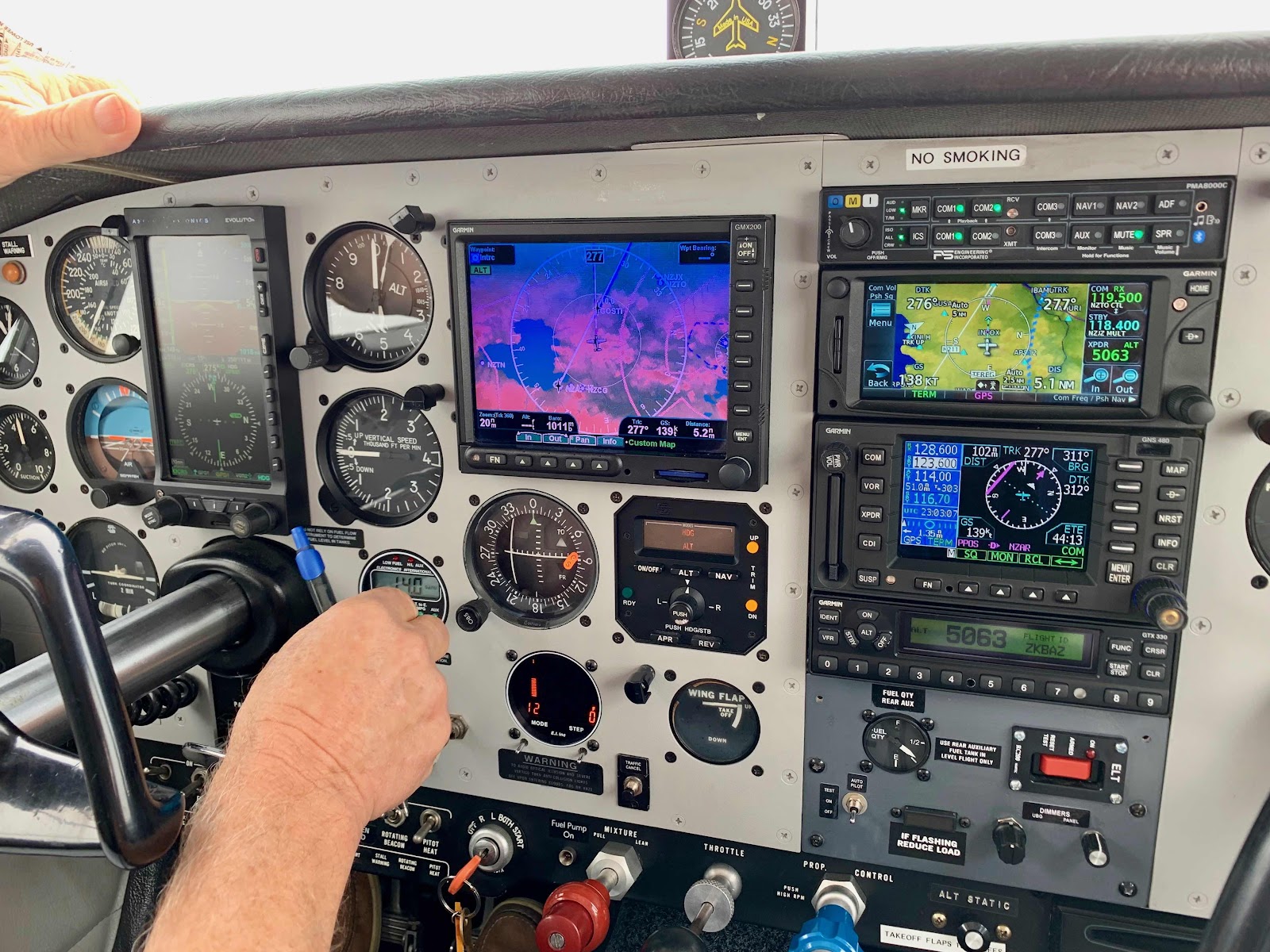
Having flown round the world themselves, the Bazflyers can well appreciate how difficult long range airplane flying must have been 50 or more years ago. For starters there was no GPS providing precise navigation. No satellite weather imagery. No computer generated metrological forecasts. No internet or mobile phone. There can be no question flying across oceans and continents in today’s world is a much safer and more reliable expedition than it used to be. And for the Bazflyers such comparisons with their own epic journey were reassuring companions on every flight.


It was while attending Sentimental Journey the Bazflyers caught up with Ted Miller a retired airline captain and an avid aviator. Ted had flown his vintage yellow open cockpit Boeing Stearman airplane from Southern California across the USA to Lock Haven. “Its like riding a Harley across the country”, Ted told the Bazflyers. “It feels good when you stop, but it sure is fun”. Ted in his Beech Debonair is no stranger to flying long distances. He is a veteran of multiple ocean crossings. Ted and his wife even celebrated their honeymoon in 1971 by flying the Beech Debonair round the world. Ted had the Bazflyers enthralled with his modest dialogue describing how he navigated the Debonair over the Pacific Ocean using a sextant while steadily flying without the aid of an autopilot. 


Would the Bazflyers have wanted to fly round the world without ZK-BAZ’s array of modern digital navigation and communication equipment..? Hell, no! It is thanks in part to pioneering and epic flights, aviation has come a very long way in just a short 100 years.....the Bazflyers proudly salute all those flight pioneers...men and women alike.


The Vickers Vimy, G-EAOU (affectionately known as "God 'Elp All Of Us"), was 100 years ago flown by the brothers Ross and Keith Smith, along with their mechanics, in the great air race from London to Australia. In the process, they became the first people ever to fly from England to Australia.


Ted Miller stands with his 1943 vintage open cockpit Boeing Stearman


Fifty years ago New Zealander Cliff Tait departed Hamilton in his trailblazing Airtourer on a solo flight round the world.


ZK-BAZ’s array of modern digital navigation and communication equipment.

Bazflyers return to a Taupo welcome (NZAP) after completing their round the world flight


A future flight pioneer...for sure!


Sunday, November 24, 2019

The Sky Beckons

Since completing Round the World 2019 and stepping off the wing, down onto Taupo tarmac, the days have morphed into longer segments of time and when assembled in a lineal line, weeks too quickly become months. Like a conga line of ants, time is relentless. It marches on, waits for no one, not even Bazflyer bloggers! 


Perhaps it has a lot to do with time that the sky continues to beckon day and night. Somewhere in a recent past Bazflyers harboured a faint thought that perhaps six months on the wing circumnavigating our wonderful planet, might at least for a while, mute the sky’s calling. Alas, their epic on the wing journey has only increased the volume. The sky beckons even louder.


Sometimes overcast, sometimes bright, morning, noon, or night, the sky beckons. Look at the sky anytime, any season, to physically see time going by. Then as if to attract attention the sky’s special spectrum of colours, intensity and mood uniquely emboldens that motion of time.


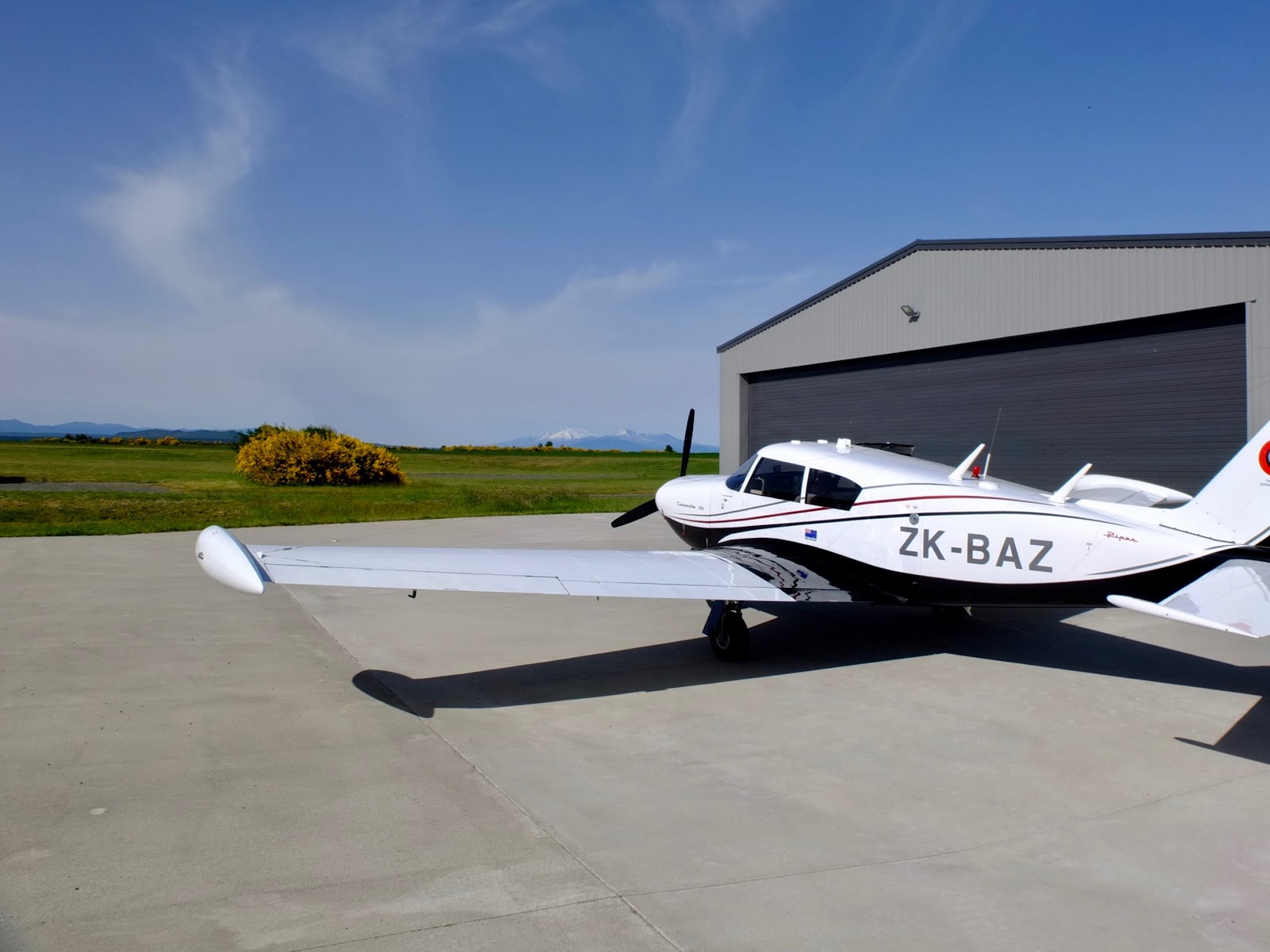
Getting up there in the sky is what all aviators love to do. There is nothing like a perfect blue-sky day to ignite that passion. Open the hangar door, roll Comanche ZK-BAZ outside, fire up the lusty Lycoming engine and get some air under those wings. This week Bazflyer1 did just that.


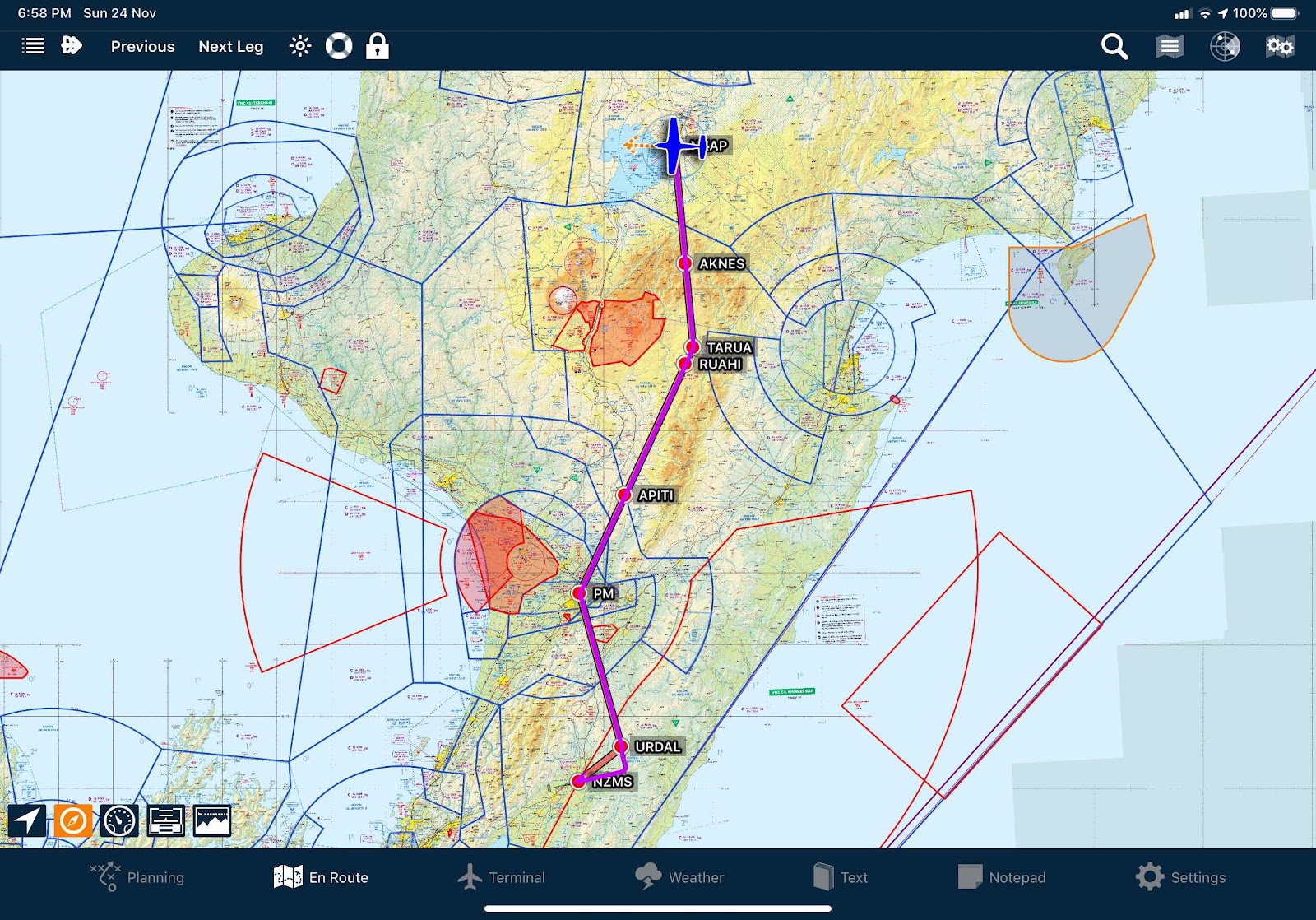
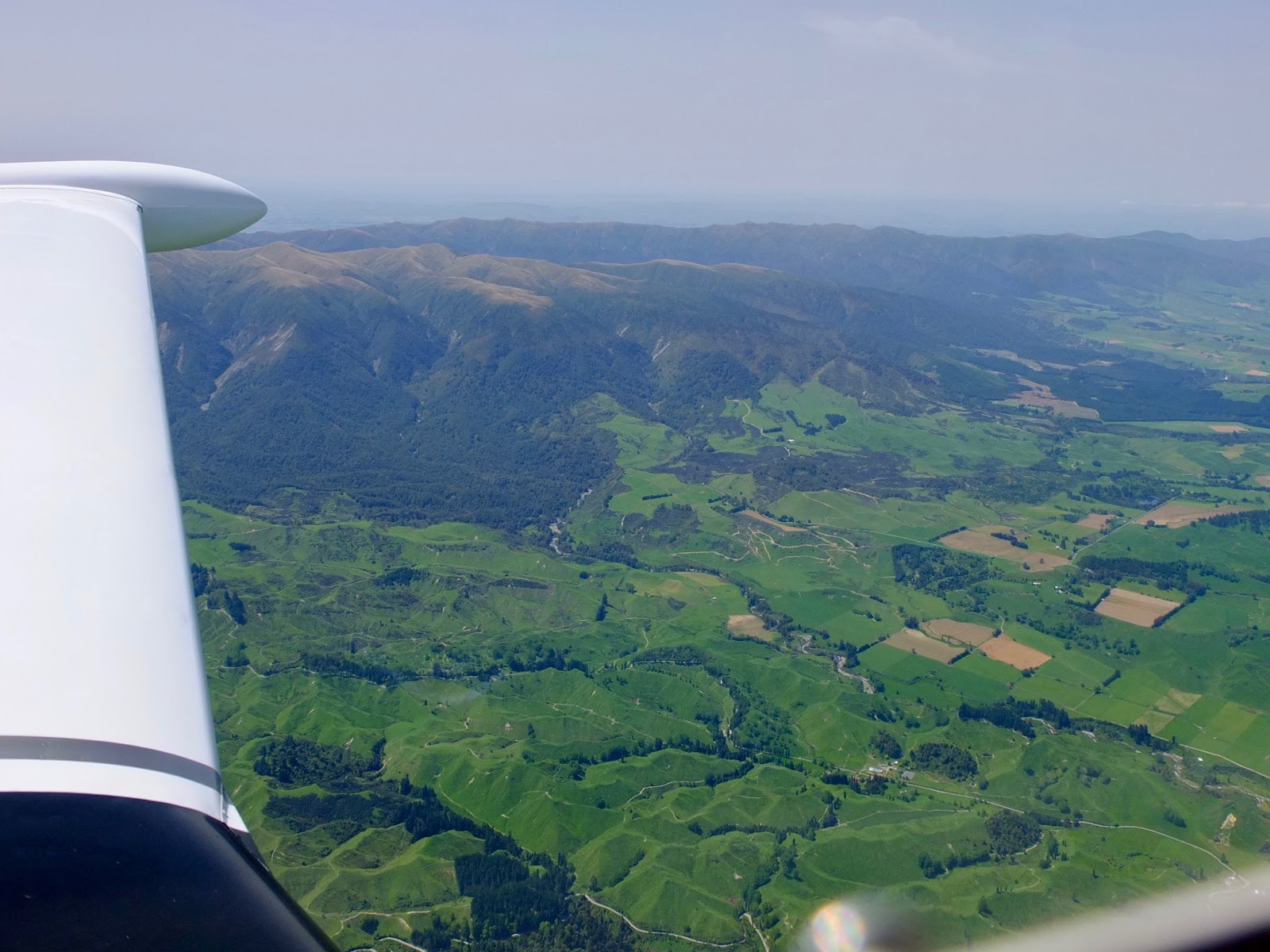
It was only a short one hour flight from Taupo (NZAP) south to Masterton (NZMS) but what a magnificent day it was to be in the sky. Not a cloud in sight. There was a purpose for going to Masterton and lunch with a friend was as good as the day was perfect. 


Masterton is a rural town, these days surrounded by expanding vineyards and home to many boutique businesses. Vastly changed from when New Zealand’s first official refugees arrived there 75 years ago. A total of 733 Polish children  most of them orphans escaping the atrocities of World War Two. All of them had been evacuated from Poland to places in Siberia and Kazakhstan from where they endured further hardship travelling overland to Iran. Some never made it. In the aftermath of the war and Poland’s redrawn boundaries, home for these children ceased to exist. Most grew up in their adopted land of New Zealand. Now in their eighties hundreds returned to Masterton earlier this month to commemorate their new life that began there 75 years ago…and the sky shone benevolently upon them.  


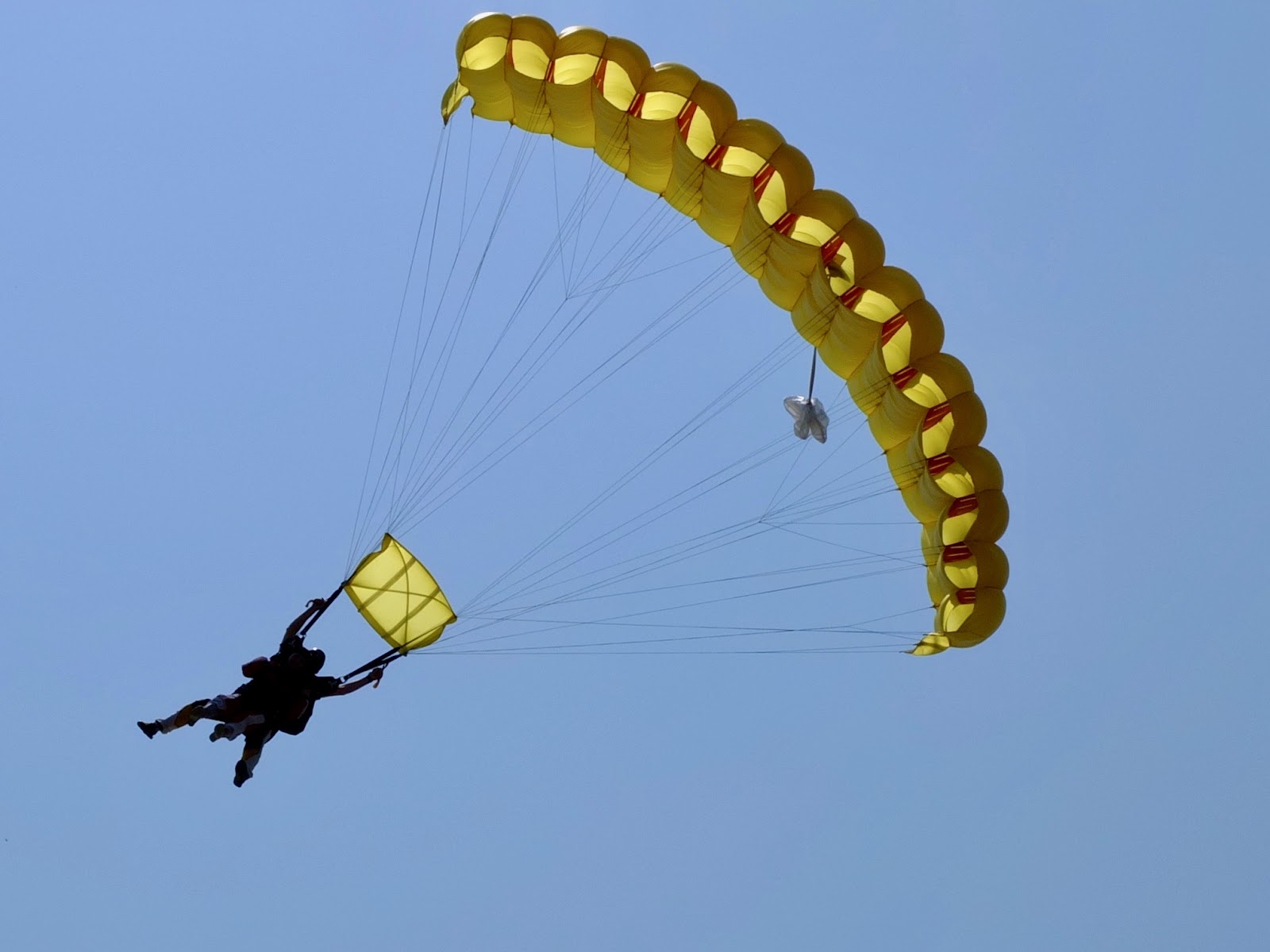
In the absence of imposed limits, time is continuous. Not so for an aviator in the sky. What goes up must eventually come down and for Bazflyer1 that reality bought him back to Taupo…to once again contemplate the beckoning sky.      


Wow...a blue-sky day and Masterton is down there to the left of those mountains.


Outside the hangar ready to start.


Flight plan via airways 145 NM from Taupo (NZAP) at 8000 feet to Masterton (NZMS).


Hill country farming (sheep & Beef) on the way to Masterton


What goes up, must come down. Tandem skydiver landing beside the Baz Base.


Evening at the Baz Base contemplating the beckoning sky emboldened by smoke effects from by the devastating bush fires in Australia over 2000 kilometres away.